About 87 percent of Indonesia’s 277 million people identify as Muslim, making it the largest Muslim-majority country on earth. That number stops a lot of Western men cold. They want to pursue dating Indonesian women but worry they’re walking into a situation that could blow up over religion. So before you write off the idea entirely, let’s get into what that statistic actually means for you as a non-Muslim man looking for something real with an Indonesian woman.
Dating Indonesian Women Outside Islam Is It Actually Risky
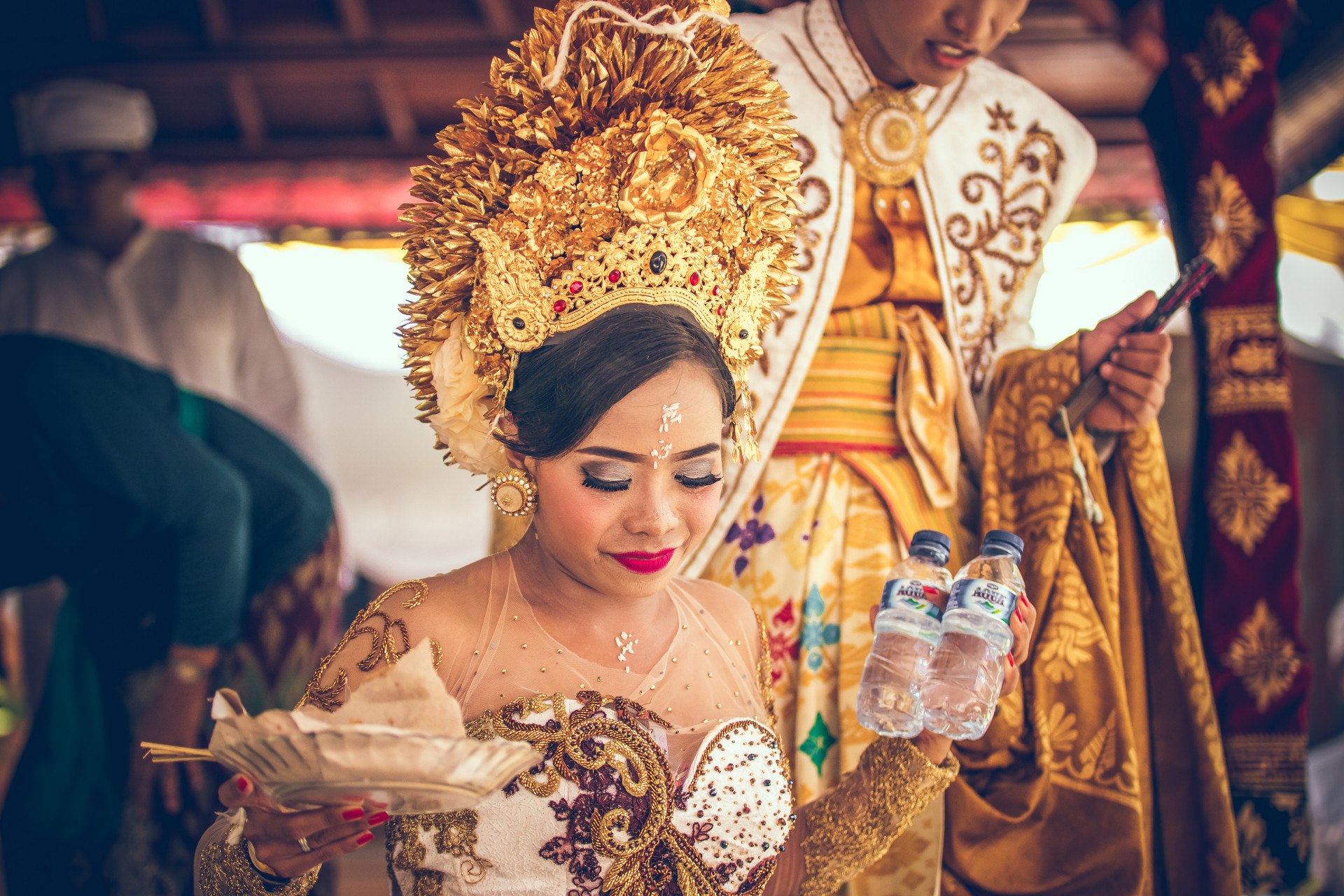
Risky is a strong word. Complicated? Sometimes, yes. But dangerous in the way people fear? Not really. Indonesia is not a monolith. The country spans over 17,000 islands and includes dozens of ethnic groups with wildly different cultural attitudes. Bali is majority Hindu. Parts of North Sulawesi and North Sumatra have significant Christian populations. East Nusa Tenggara is predominantly Catholic. So the idea that every Indonesian woman you might meet practices strict Islam is just not accurate.

Even among Muslim Indonesian women, there’s a huge range. Some are deeply devout. Some grew up Muslim by family tradition and barely practice. Some are somewhere in between. A woman from Jakarta’s middle class who studied abroad might have very different views on interfaith relationships than a woman raised in a conservative rural community in Aceh province, where local Sharia law actually applies. These are not the same situation and treating them as one is where men get tripped up. So no, pursuing Indonesian dating as a non-Muslim man isn’t some reckless move. It does require you to be honest early and pay attention to what she’s actually telling you about her faith and her family’s expectations. That’s not unique to Indonesia. That’s just good relationship sense anywhere.
Can You Use Indonesian Cupid to Meet Non-Muslim Women
Yes, and it works better than most men expect. Indonesian Cupid is probably the best-known site specifically built for this kind of connection, and it has a large user base that includes Christian, Hindu, and Catholic Indonesian women alongside Muslim ones. You can filter by religion in your search settings, which takes a lot of guesswork out of early conversations. Women on Indonesian Cupid who list their religion as Christian or Hindu are generally upfront about it because they know it matters to foreign men and to their own families. That transparency is actually a good sign. It means she’s thought about the interfaith question already. You’re not blindsiding anyone.
I’ve talked to enough men who’ve used this approach to know that the women who are serious about building something with a foreign partner tend to be pretty clear about where they stand. Don’t waste time reading between the lines. If her profile says she’s Catholic and she’s actively messaging non-Indonesian men, that tells you a lot about her openness. And Indonesian Cupid gives you enough profile detail to make an informed first move rather than guessing.
What Her Family Will Actually Think About Your Religion
This is where things get real. Indonesian families are close. Not just “we have Sunday dinner together” close. More like “my parents have a significant say in who I marry” close. And that doesn’t disappear just because she’s progressive or educated or has dated foreigners before.
For Muslim families, the expectation that a daughter marries a Muslim man is often non-negotiable. Not because they dislike you personally, but because Indonesian marriage law has historically required couples to share the same religion for a legal ceremony. That law has been challenged in court lately, and some couples work around it by marrying abroad, but the family pressure tied to that tradition doesn’t just evaporate because the legal situation shifts.
For Christian or Hindu families, the dynamic is different. A Balinese Hindu family might be curious or cautious about a Western man, but the religious barrier that exists in Muslim families often isn’t there in the same way. They may have concerns about cultural differences, your intentions, and whether you’ll respect their traditions. But the flat-out “he must convert or there’s no wedding” pressure is far less common. Don’t assume you can charm your way past a family’s religious concerns with good manners and a nice gift. You can’t. What you can do is be respectful, be honest about your beliefs without being dismissive of theirs, and let the relationship develop at a pace that gives her family time to actually know you.
Indonesian Dating Culture and the Role of Faith
Faith isn’t a side topic in Indonesian dating culture. For most Indonesian women, it’s woven into daily life in ways that are hard to separate from everything else. Prayer times, fasting during Ramadan, religious holidays, the way food is prepared, the way weddings are conducted. These things aren’t checkboxes. They’re identity.
Even for women who aren’t strictly observant, there’s often a deep cultural attachment to their religion’s traditions. A woman who doesn’t wear hijab and drinks wine at dinner might still expect her children to be raised with her faith. That’s not a contradiction. That’s just how cultural religion works in a lot of places, including Indonesia.
The part nobody talks about is that this can actually work in your favor as a non-Muslim man, if you approach it right. Showing genuine respect for her religious practices, not mocking or dismissing them, not pressuring her to skip prayers or skip fasting, signals that you’re someone who can be trusted. That matters enormously. Indonesian women notice when a foreign man treats her faith like an inconvenience versus treating it like a real part of who she is. And yes, this applies even if you’re dating a non-Muslim Indonesian woman. She still grew up in a society where faith is central. She’ll likely appreciate a man who gets that, even if her own practice is different from her neighbors’.
Try These Approaches Before Meeting Her Parents
Meeting her parents without some groundwork laid is a most common mistakes men make when dating Indonesian women. It puts her in an awkward position and puts you in one too. There are smarter ways to handle it. Talk openly about religion before things get serious. Not in a clinical “what are your beliefs” interrogation way, but naturally. Ask her what her faith means to her. Ask about her family’s traditions. Let her ask you the same. You’ll learn more from that conversation than from any profile bio.
Ask her directly what her family expects. Not every woman will give you the full picture upfront, but most will tell you something honest if you ask plainly. Does her family know she’s talking to a foreign man? Do they know you’re not Muslim? What has she told them? These aren’t rude questions. They’re practical ones, and a woman who wants something real with you won’t be offended by them.
If she’s Muslim and you’re serious about her, think about whether you’re willing to learn about Islam in a genuine way. Not conversion as a transaction to win the family over, because that’s transparent and disrespectful. But real curiosity and engagement. Some couples make this work beautifully. Others find the gap too wide. Better to know early. And if she’s Christian or Hindu, don’t assume the path is automatically easy. Understand her specific community and family setup. A Manadonese Christian family from North Sulawesi has different norms than a Javanese Christian family in Surabaya. Context matters every single time.
Do You Have to Convert to Islam to Marry an Indonesian Woman
This is the question men search for more than almost any other when they start exploring Indonesian dating seriously. The short answer is: it depends on her religion, not yours. Indonesian marriage law historically required both parties to share the same religion for a legally recognized ceremony inside the country. In practice, this meant that a non-Muslim man marrying a Muslim Indonesian woman was expected to convert before the wedding, at least on paper. Some men went through a formal conversion for legal purposes without any genuine religious change. That still happens. Indonesian families and religious officials are generally aware of it, and reactions vary from acceptance to quiet resentment.

Indonesia’s Supreme Court issued a ruling that opened a narrow legal pathway for interfaith civil marriages, though implementation has been inconsistent across different regions and registrars. Couples who want to avoid the conversion question entirely often marry abroad, typically in Singapore or Australia, and have the marriage recognized in Indonesia afterward. It adds cost and logistics, but removes the religious ceremony pressure entirely. For non-Muslim women, the situation is different. A Christian or Hindu Indonesian woman marrying a foreign non-Muslim man faces no Islamic conversion requirement. The ceremony follows her religion’s format, and Indonesian law recognizes it.
This is one reason men who are serious about avoiding the conversion question often specifically look for Christian or Hindu Indonesian women on platforms that allow religion filters. Converting genuinely is a different matter. Some men do it out of real conviction after years in a relationship. That’s between them and whatever they believe. But converting as a transaction to unlock family approval, without any sincere engagement with the faith, tends to create a fault line in the marriage that surfaces later. Indonesian families can tell the difference, and so can the women.
Does Indonesian Women Dating Work Without Sharing Her Beliefs
It absolutely can work. I know couples who’ve built solid marriages across that divide. But they didn’t get there by ignoring the difference or assuming love would smooth everything over. They got there by having hard conversations early and making deliberate choices together. Indonesian women dating foreign non-Muslim men is not as rare as you might think. Plenty of Indonesian women, particularly those who’ve lived or studied abroad, are open to relationships with men of different faiths. They’ve already thought through the complications. They’re not looking for someone to convert. They’re looking for someone who respects them fully, faith included.
What tends to sink these relationships isn’t the religious difference itself. It’s avoidance. Men who don’t want to bring up religion because they’re afraid of the answer. Women who don’t tell their families because they’re hoping to deal with it later. Later always comes, and it always hits harder than an early honest conversation would have. The couples who make interfaith Indonesian relationships work treat religion as one of several real differences to understand rather than a problem to solve or a topic to dodge. That shift in thinking changes everything about how you approach the relationship from day one.
Dating an Indonesian woman as a non-Muslim man isn’t a safety risk. It’s a relationship with real cultural layers that deserve your attention. Indonesia’s 87 percent Muslim majority doesn’t mean every woman you meet will make your faith a dealbreaker. What matters is honesty, respect, and doing the work to actually understand who she is and where she comes from. That’s what makes this work.